
Ecology, physiology, and behavior in hybrid zones
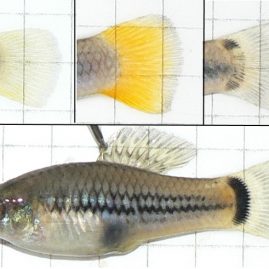
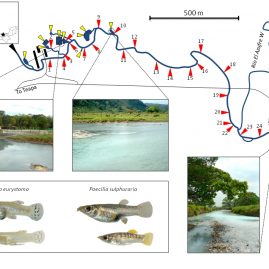
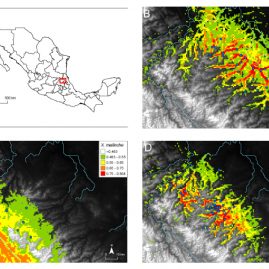
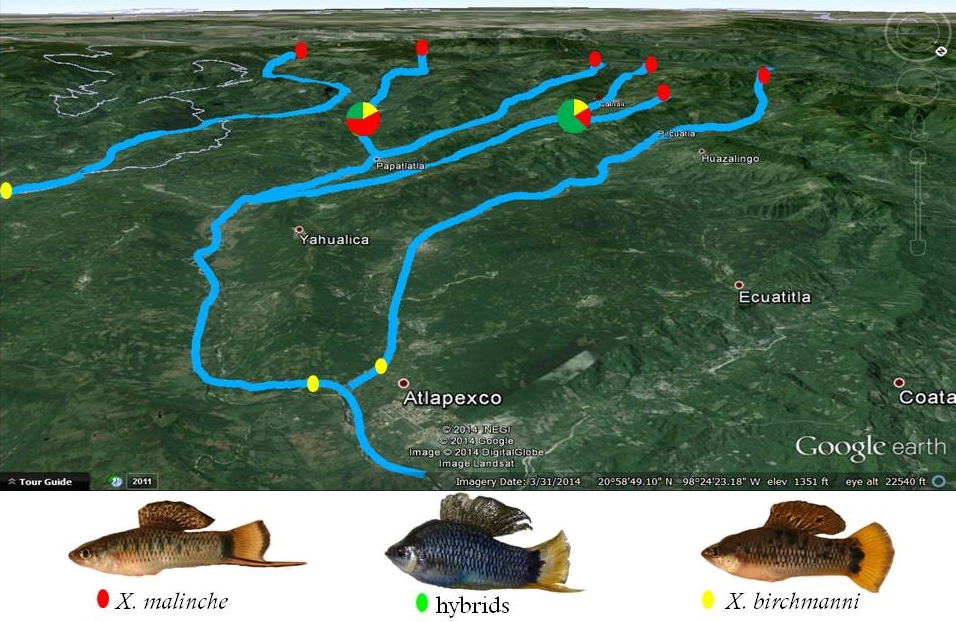
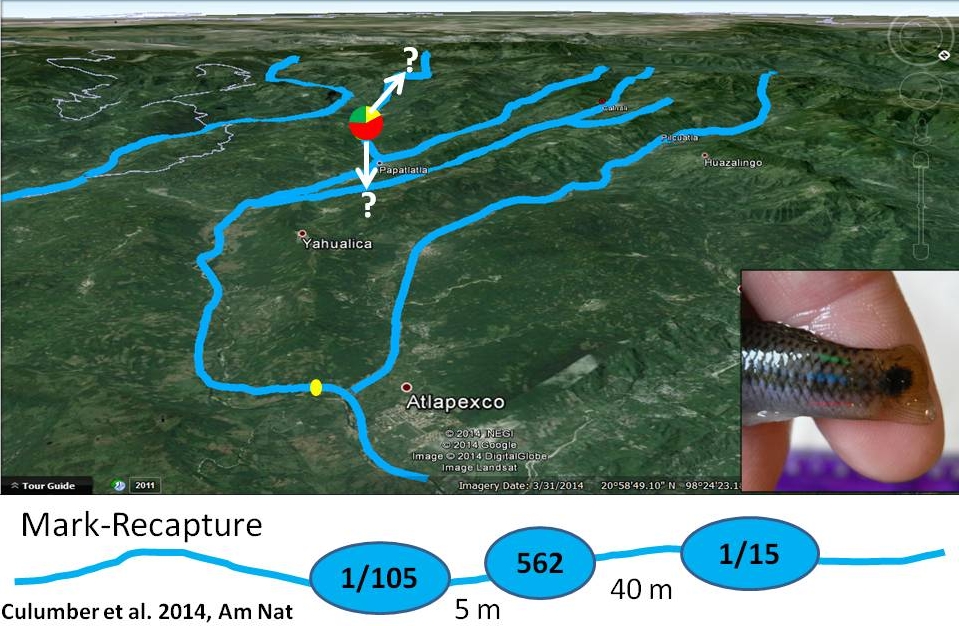
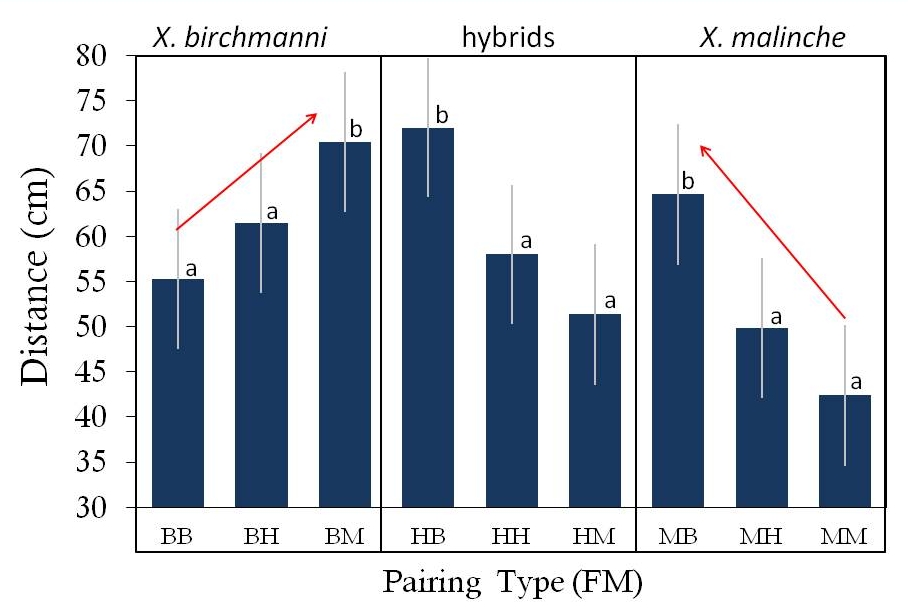
The evolutionary dynamics of natural hybrid zones are often considered to be dominated by migration-selection balance; i.e., inward migration of pure species and selection against hybrids. Several populations in natural hybrid zones of Xiphophorus fishes exhibit significant population structure where pure species and hybrids all co-exist. The maintenance of hybrids at intermediate elevations is promoted largely by environmental heterogeneity and physiological adaptation (Culumber et al. 2012, J Evol Biol), but the forces maintaining pure species – despite hybridization was a mystery. Combining population genetics, mark-recapture, and behavioral assays we found that pure species are reproductively isolated in terms of direct mating, that migration of pure species cannot account for temporally robust population structure, and that pure species females stay significantly farther way from males of the opposite species. Thus, female association preferences and subsequent mating patterns contribute to maintaining population structure. However, despite a complete absence of mating between pure species, both species readily mate with hybrids which represents a mechanism for ongoing gene flow between reproductively isolated species.
Relevant Publications
Culumber et al. 2011, Molecular Ecology PDF
Culumber et al. 2012, J Evolutionary Biology PDF
Culumber et al. 2014, American Naturalist PDF